
When one particularly talented woman chose the sidelines, Olivier texted her to move to the table. Afterward, they talked about why she had hesitated. The woman had thought she needed an invitation. Olivier wanted her to recognize that she belonged.
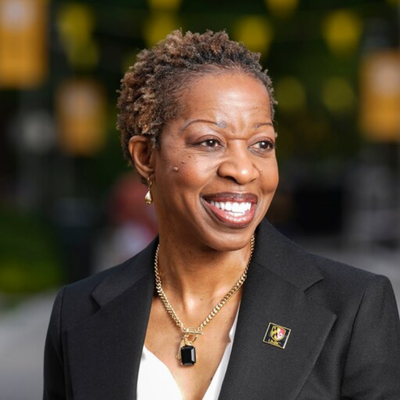
Today, Olivier leads Baltimore Gas and Electric as president and CEO, a role she assumed in May 2025, becoming the first woman to lead the company. Maryland’s largest electric and natural gas utility serves more than 1.3 million electric and 700,000 gas customers. Her responsibilities encompass safety, reliability, customer service and financial performance. Yet her reflections on leadership often return to individual people: who feels confident enough to speak, whose abilities are recognized and who gets overlooked.
Her own career began with a different ambition. She planned to become an attorney, but internships at a law firm and in human resources at American Express helped her discover what interested her most. HR offered opportunities to help shape strategy, develop leaders and understand how people contribute to a business.
She likens the work to a puzzle: each person brings different experiences and strengths, and each requires something different to contribute at the highest level.
A Cornell University School of Industrial and Labor Relations graduate, Olivier held HR and organizational development leadership roles at T. Rowe Price, United Defense and Wells Fargo before joining Constellation in 2010. She went on to lead BGE Home, serve as BGE’s chief customer officer and oversee operations at Pepco Holdings, the parent of three utilities.
That progression required her to reconsider some deeply ingrained advice.
At T. Rowe Price, she believed her performance and relationships had positioned her for a larger HR leadership role. When the opening came, she waited to be approached. A peer received the first offer. “It was like a punch to the gut,” she recalled in an Executive Alliance Podcast interview.
The colleague ultimately declined, and Olivier got the opportunity. But the experience exposed a gap in her preparation: she had not told decision-makers what she wanted.
“You have got to advocate for yourself,” she said.
Her approach to advocacy combines evidence with curiosity. She encourages explaining the experience and results that demonstrate readiness, then asking what gaps remain and how to address them. Excellent performance matters. So does making ambition visible.