Introducing the Impact Honors Awards

Kristin Wagonblott • November 10, 2026

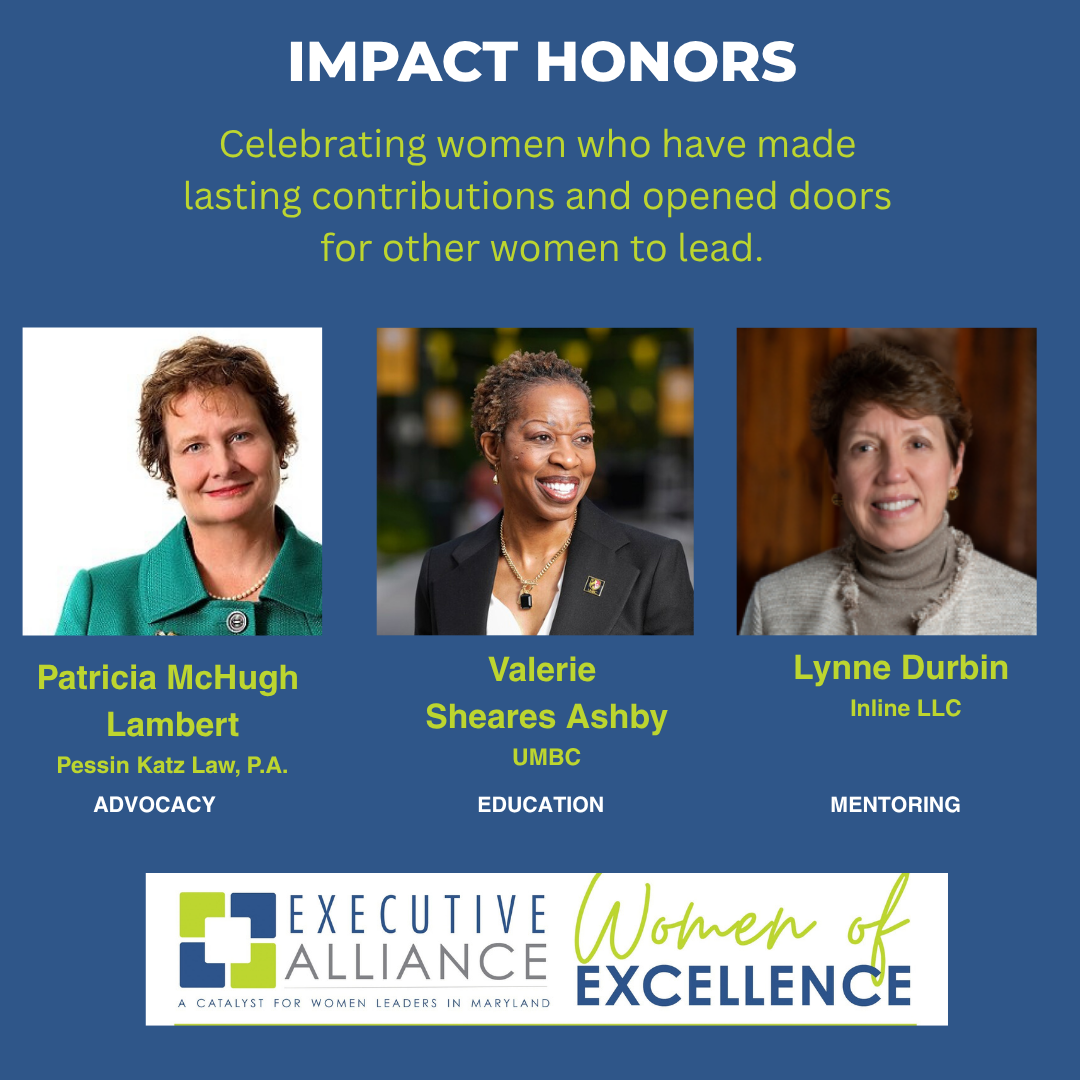
Leadership creates a lasting legacy when it opens doors for others. At Women of Excellence, Executive Alliance’s new Impact Honors Awards celebrates three women whose contributions have helped other women move forward, find their voices, and lead.


The awards reflect the three pillars at the heart of Executive Alliance’s mission: advocacy, education, and mentoring. Each honoree represents a powerful way to advance women’s leadership and extend its impact across our communities.

Advocacy: Removing Barriers and Expanding Opportunities recognizes a woman who has challenged obstacles and helped create greater access to leadership for other women.


Education: Sharing Knowledge and Preparing Women to Lead honors a woman who has equipped others with the insight, skills, and confidence to take their next steps.


Mentoring: Guiding Growth and Opening Doors for Others celebrates a woman whose guidance, encouragement, and connections have helped others realize their potential.


Together, these honors recognize the many ways women make progress possible for one another. They also bring Executive Alliance’s purpose into focus: connecting women, strengthening their influence, and advancing their leadership in business, government, and nonprofit organizations.


As we celebrate our inaugural honorees, we celebrate a shared conviction: the impact of leadership reaches far beyond individual achievement.


Impact Honors: Advocacy

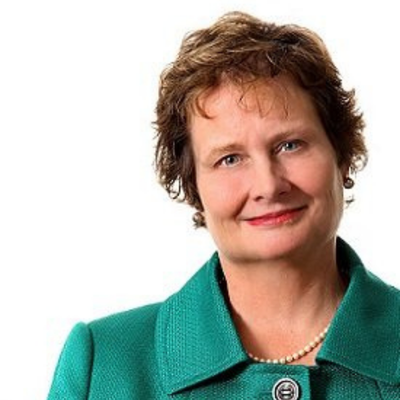
Patricia McHugh Lambert: Turning Advocacy into Opportunity


Advancing women’s leadership requires people willing to challenge barriers, build relationships, and bring women’s perspectives into the places where decisions are made. Patricia McHugh Lambert’s record of professional and public service exemplifies advocacy for women.


Within Executive Alliance, Lambert’s legacy includes helping strengthen relationships with Maryland’s Governor’s Appointments Office to diversify appointments and increase women’s representation on state boards and commissions. This work connected the mission of advancing women with opportunities to serve and influence public decisions.


The significance extends beyond individual appointments. Maryland’s boards and commissions regulate industries, oversee public institutions, administer state funds, and help shape policy. The Appointments Office assists the Governor in selecting people to serve on more than 600 such bodies. Helping more women access these roles brings their experience and expertise into decisions affecting communities throughout the state. 


Lambert served as Executive Alliance’s president in 2018–2019 supporting the Gender Diversity in the Boardroom legislation sponsored by then-Delegate Shelly Hettleman. Signed into law in May 2019, it established reporting requirements concerning women’s representation on corporate and large institutional nonprofit boards—turning concern about slow progress into public policy action. 


Her commitment extended into years of service on the Maryland Commission for Women. Appointed in May 2019, she subsequently held leadership positions, becoming First Vice Chair in 2024. The Commission studies women’s status, recommends ways to overcome discrimination, and advises state leaders on issues affecting women. 


An attorney with Pessin Katz Law, Lambert has paired her legal career with community leadership, including service as chair of United Way of Central Maryland’s Women’s Leadership Council and on its board and executive committee. Her contributions reflect a sustained investment in institutions that support women and families. 


Together, these efforts embody Executive Alliance’s mission of expanding women’s influence in business, government, and the community. Lambert’s advocacy connects capable women with opportunities while encouraging institutions to broaden their understanding of who can lead.


The inaugural Advocacy honor recognizes that lasting contribution: relationships developed with purpose, barriers challenged through collective action, and doors opened so more women can bring their voices to the table.


Impact Honors: Education 

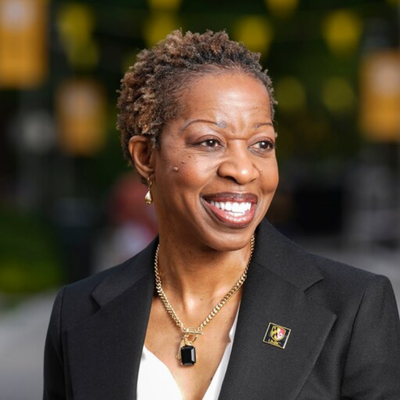
Dr. Valerie Sheares Ashby: Preparing Women to Lead


For Dr. Valerie Sheares Ashby, education’s greatest promise is its power to change what people believe is possible for themselves. As president of the University of Maryland, Baltimore County, she brings that promise to a leadership approach grounded in service, inclusion, and helping others recognize their potential.


“I believe that education can change individual lives and families for generations to come,” she says. That conviction makes her a compelling choice for Executive Alliance’s inaugural Impact Honors Award in Education, recognizing the work of sharing knowledge and preparing women to lead. 


Sheares Ashby became UMBC’s sixth president in August 2022 and the first woman to hold the position. A chemist, educator, and academic leader, she previously served as dean of Duke University’s Trinity College of Arts and Sciences and chaired the chemistry department at the University of North Carolina at Chapel Hill. Her career demonstrates the breadth of influence women can bring to science and institutional leadership. 


Her commitment to women’s advancement also includes direct work supporting their development. At Iowa State University, she mentored participants in the Program for Women in Science & Engineering. At UNC, she directed the National Science Foundation Alliance for Graduate Education and the Professoriate and helped launch the Chancellor’s Science Scholars Program, extending pathways into scientific study and careers. 


She also speaks candidly about the internal obstacles that can accompany achievement. In a 2022 profile, she discussed leading workshops on imposter syndrome and acknowledged, “I had it until I was 40.” Her vulnerability underscores how accomplished leaders can open themselves to uncertainty and help others move through it. That openness resonates for women imagining themselves in roles where they remain underrepresented. 


“Leadership is a privilege. Leadership is in service to others,” she told I95 BUSINESS. In the same interview, she described mentors’ responsibility to recognize possibilities students cannot yet see in themselves and support them until those possibilities become attainable. 


For Executive Alliance, that philosophy connects education with lasting impact. Sheares Ashby’s example reflects Executive Alliance’s belief that women advance through knowledge, relationships, visibility, and support. Her distinction as an educator lies in helping others see a future for themselves—and preparing them to step into it.


Impact Honors: Mentoring

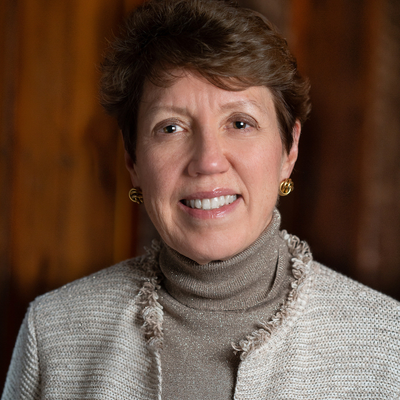
Lynne Durbin: Building Relationships That Advance Women’s Leadership


For Lynne Durbin, President of Inline LLC, mentoring is a sustained commitment to helping women recognize opportunities, navigate decisions, and build relationships that support their careers. As one of Executive Alliance’s inaugural Impact Honorees, recognized for Mentoring, she has helped shape both the organization’s program and the experiences of its participants.


Throughout her career, Lynne was often one of few women in senior positions and frequently the only woman in the room in her corporate legal work. Without a mentor to offer guidance, she learned through experience and observation. Mentoring became a way to share that hard-earned knowledge.


Lynne was drawn to Executive Alliance because of its work to increase women’s representation on corporate boards. Later, with others, she helped revamp the mentoring program, establishing the Effective Impact model which combines individual mentoring relationships with structured professional development. 


The focus on women in middle management was intentional. These women had demonstrated competence but often faced barriers to greater responsibility. Connecting them with experienced senior women offered support for advancement into executive leadership and, ultimately, board service.


Lynne’s approach to mentoring begins with listening. Effective mentoring, she explained, means working to “encourage your mentee to think about what they really want.” She checks in on progress, revisits goals, and helps mentees consider next steps while respecting their responsibility to choose their direction.


An external mentor also offers space for candid conversations about workplace dynamics, advancement, and career changes. Lynne values the learning that flows both ways, as mentees introduce her to different industries and perspectives.


Relationships among mentees are equally important. Feedback from the first Effective Impact cohort helped strengthen the program’s emphasis on building those connections early. Lynne continues bringing former mentees together across cohorts and programs to exchange advice, celebrate achievements, and support one another.


Their presence reflects the lasting impact of her contribution and Executive Alliance’s mission: women sharing knowledge, opening doors, and strengthening one another’s leadership. Through her continued investment in these relationships, Lynne demonstrates how mentoring can support women well beyond a single program year.
Other Articles

By Kristin Wagonblott • November 10, 2026
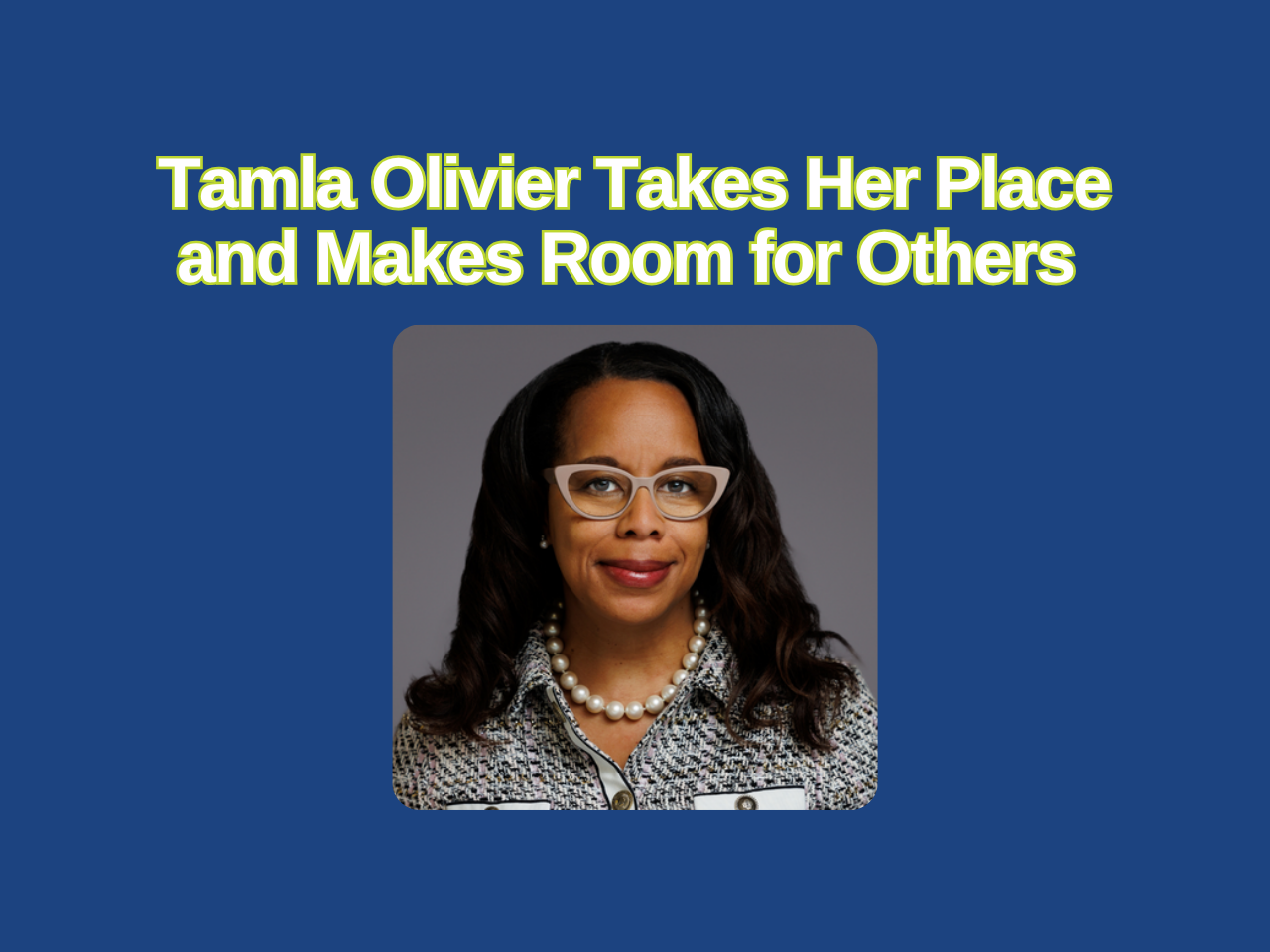
Tamla Olivier remembers watching a familiar pattern unfold in a conference room. Men, including junior colleagues, took seats at the table. Some women and people of color sat along the wall, even when chairs remained open.
By Kristin Wagonblott • November 7, 2026
By Kristin Wagonblott • November 5, 2026
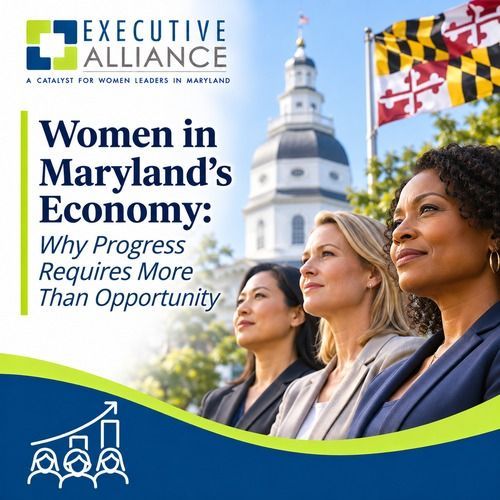
Women are essential to Maryland’s economic future, but persistent barriers continue to limit their participation, advancement, and financial security. In this episode of the Executive Alliance Podcast, host Rebecca Snyder speaks with Maryland Comptroller Brooke Lierman and Dani DiPietro of the Comptroller’s Office about a new report examining women’s experiences in Maryland’s economy. Their conversation explores the realities behind the data, the challenges facing women entrepreneurs, and opportunities for policymakers and business leaders to create meaningful change. Listen to the Executive Alliance Podcast on Spotify: https://open.spotify.com/show/033CPjpWSpbNiaBIlljxh1?si=56fdebfb23444ca2 Understanding the Economic Cost of Inequality Women make up more than 51% of Maryland’s population. As Comptroller Brooke Lierman explains, the state cannot reach its full economic potential if women are unable to reach theirs. That understanding prompted the Comptroller’s Office to examine how women participate in Maryland’s economy and what continues to hold them back. The report builds on earlier research into childcare, housing, immigration, and other factors shaping the state’s economic health. Rather than relying exclusively on statistics, the research team spoke with nearly 200 women through seven roundtable discussions across Maryland. For DiPietro, combining quantitative research with lived experience is essential: data identifies disparities, while conversations help explain why they persist. The Participation Gap Is More Complicated Than It Appears One central finding is an eight-percentage-point gap between men’s and women’s labor force participation in Maryland. That gap becomes much larger among certain groups: 32 percentage points among people with limited English proficiency, 23 among those without a high school diploma, and 21 among married adults with young children. These differences suggest targeted responses rather than a single statewide solution. DiPietro highlighted English-language education, recognition of credentials earned abroad, career and technical education, flexible workplace policies, and paid family and medical leave. The goal is not to push every woman into the workforce; it is to remove barriers for women who want to work but cannot find opportunities that fit their circumstances. When Entrepreneurship Becomes a Necessity One of the conversation’s most revealing themes concerns women-owned businesses. Women have been starting businesses at a faster rate than men since the pandemic. On the surface, that sounds encouraging. But DiPietro cautions that the motivations deserve closer examination. Some women pursue entrepreneurship because traditional workplaces have failed to provide advancement, flexibility, or stability. Others have experienced layoffs or discrimination. A roundtable participant described starting a business out of necessity because the workforce was not built for someone in her circumstances to get ahead. Entrepreneurship can offer autonomy, but it also introduces risks. Women may sacrifice employer-sponsored health insurance, retirement benefits, and predictable income. Meanwhile, access to capital remains a substantial obstacle. DiPietro discussed evidence of lower loan approval rates and greater difficulty attracting investors, even among women with strong credit and repayment records. These challenges influence the types of businesses women establish. Without adequate capital, women may be less able to enter capital-intensive industries with opportunities to scale. DiPietro noted that women are more likely to operate businesses without employees. Starting a business because an opportunity is compelling is different from starting one because other opportunities have disappeared. Progress Requires Shared Responsibility Despite the difficult findings, Lierman and DiPietro emphasized Maryland’s strengths. The state ranks among the top ten for women’s labor force participation and has one of the smaller gender wage gaps nationally. Yet those achievements do not eliminate the need for progress. Lierman stressed that no single law can address every barrier. Government policy, public investment, corporate leadership, and individual action all have roles to play. She pointed to corporate board diversity reporting as an example of how transparency can encourage accountability, even when legislation does not directly determine who serves on boards. For Executive Alliance, the conversation reinforces the importance of examining not only how women develop as leaders, but whether the systems surrounding them allow their leadership to flourish. Maryland has talented, educated, entrepreneurial women ready to contribute. The challenge is ensuring that economic structures support their ambitions rather than constrain their choices. The report provides a foundation; what happens next depends on leaders using its findings to turn understanding into action. About the Guests Brooke Lierman is Maryland’s Comptroller and the first woman elected to the position. She previously served in the Maryland General Assembly. In the podcast, she discusses the Comptroller’s Office’s efforts to use economic research to inform public policy and advance a more equitable, resilient, and prosperous Maryland. She also brings a personal perspective as a working mother and caregiver navigating many of the challenges discussed in the report. Dani DiPietro helps lead policy research in the Maryland Comptroller’s Office, developing comprehensive reports about the state’s economic challenges and opportunities. Her work combines quantitative analysis with conversations involving Maryland residents and stakeholders. In the podcast, she describes research on housing, childcare, immigration, and women’s economic participation, emphasizing the value of connecting statewide data with lived experience to help policymakers understand barriers and identify possible solutions. This blog post was written with the assistance of AI.
Show More